
What we do
Our Social Initiatives
Community empowerment lies at the heart of our mission. Our goal is to work hand-in-hand with communities to break cycles of poverty and create pathways to lasting change.
At Allied Relief, we are dedicated to empowering vulnerable populations and transforming lives through holistic, community-driven programs.
Our work spans maternal and child health, nutrition, education, economic empowerment, and environmental sustainability. Our projects are designed to create healthier, more resilient communities. We believe true transformation happens when people are given the tools, knowledge, and opportunities to thrive.
Health & Nutrition
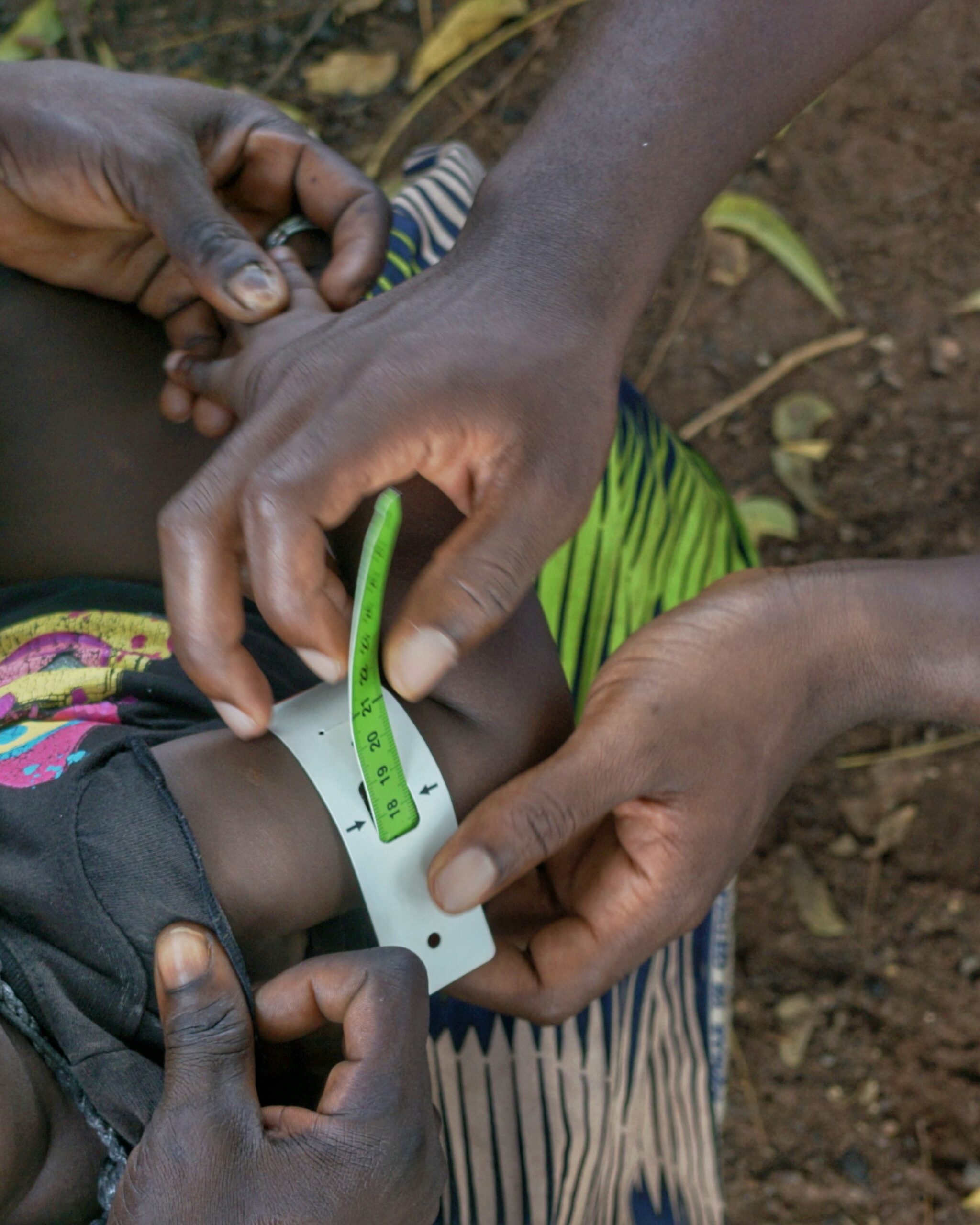
Health and nutrition remain pressing challenges in Ghana, with the Northern Region carrying a significant share of the burden. High rates of malnutrition, limited access to quality healthcare, and poor health-seeking behaviors continue to undermine the well-being of vulnerable populations, particularly women and children.
At Allied Relief, we are committed to tackling these challenges through inclusive, community-driven, and sustainable solutions that promote healthier families and stronger communities.
Our Health & Nutrition Focus
Community Health Promotion & Prevention
We work directly with communities to promote basic health education and services. This includes mobilizing community health volunteers, supporting outreach campaigns, and partnering with local health systems to deliver timely information on topics such as maternal and child health, immunization, malaria, NCDs, HIV/AIDS, prevention, and disease surveillance. These efforts increase awareness and empower households to make informed health decisions.
Maternal and Child Nutrition
Our interventions support mothers, children, and adolescents with practical tools and knowledge to improve nutrition outcomes. We promote exclusive breastfeeding, complementary feeding, and the preparation of nutritious meals using locally available foods. These efforts help prevent stunting and undernutrition, especially in the first 1,000 days of a child’s life.
Sexual and Reproductive Health Rights (SRHR)
We advocate for and deliver education on sexual and reproductive health, particularly among young people and women of reproductive age. Through youth-friendly spaces, school-based sessions, parent engagements and community outreach, we empower individuals with the information and support needed to make informed choices about their reproductive health and rights; helping reduce early pregnancies, unsafe abortions, and related health risks.
Child Protection and Wellbeing
Recognizing the link between health and safety, our child protection efforts focus on creating environments where children can grow free from violence, neglect, and exploitation. We build awareness on children’s rights, train caregivers and community leaders, and link vulnerable children to essential health and social services.
Water, Sanitation, and Hygiene (WASH) for Health
Recognizing the inseparable link between hygiene and overall health, Allied Relief integrates WASH into all health and nutrition interventions. We work to improve access to safe and reliable drinking water, construct and rehabilitate sanitation facilities, and promote consistent hygiene practices within households, schools, and health facilities. Through community education and behavior change campaigns, we encourage handwashing with soap, safe water storage, and proper waste management as essential habits that prevent waterborne and communicable diseases. By combining WASH with health programming, we not only reduce the spread of illnesses such as diarrhea, cholera, and malaria but also strengthen the foundations for lasting community health and wellbeing.
Environmental Sustainability
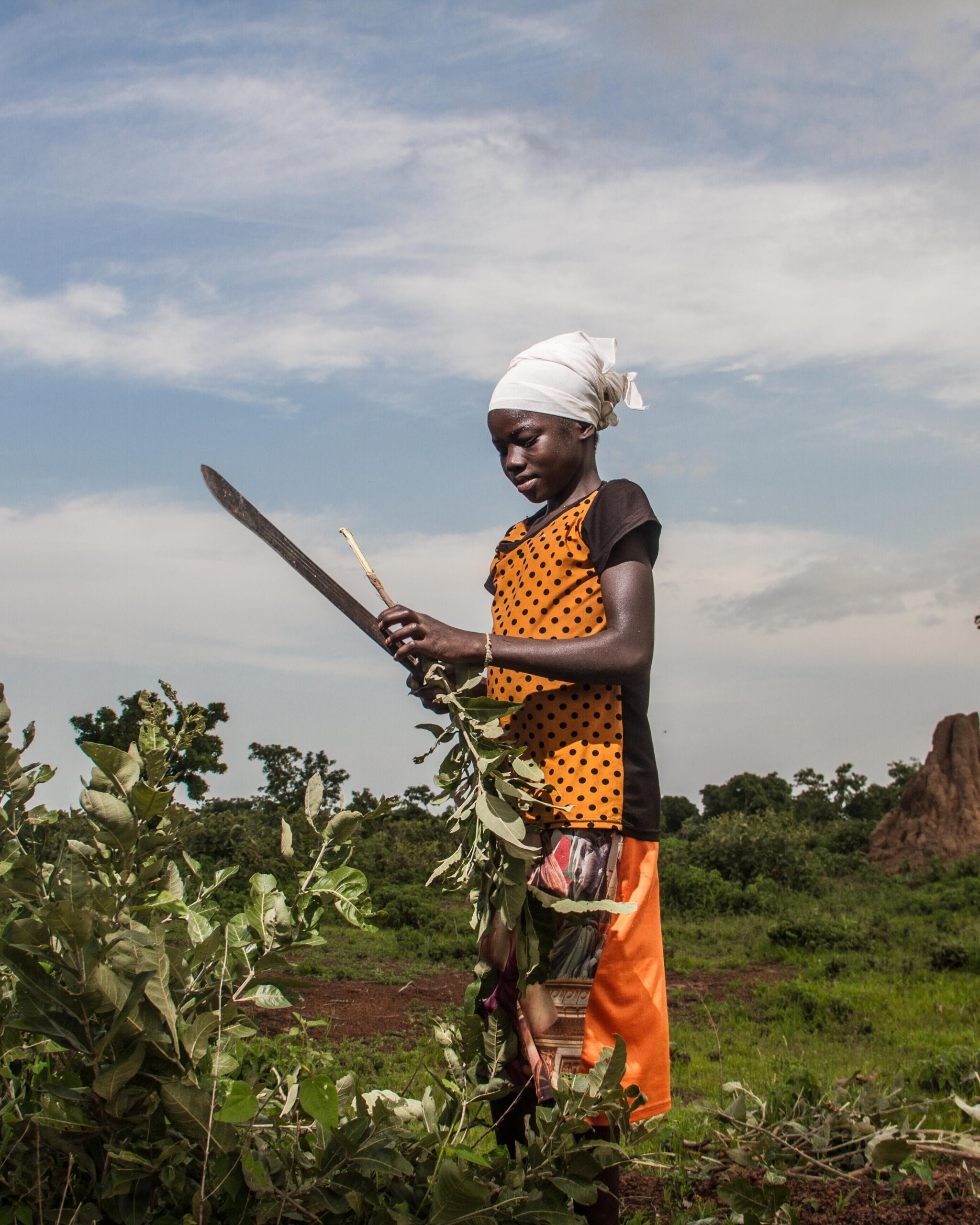
Environmental degradation and climate change continue to threaten livelihoods and ecosystems across Ghana, with the Northern Region facing some of the most severe impacts. Deforestation, unsustainable farming practices, and increasing vulnerability to droughts and floods place immense strain on communities that already depend heavily on natural resources for survival.
At Allied Relief, we are dedicated to advancing environmental sustainability through reforestation, climate-smart agriculture, renewable energy, and youth-led climate action, ensuring a healthier planet and resilient future for generations to come.
Our Environmental Sustainability Focus
Tree Conservation and Afforestation
We work with communities to restore degraded lands through tree planting, community woodlots, and conservation education. These efforts not only combat deforestation but also provide shade, improve soil fertility, and create long-term economic benefits through cash crops such as cashew and shea.
Environmentally Friendly Energy Solutions
To reduce dependence on firewood and charcoal, we promote clean cookstoves, briquette production, and other renewable energy technologies. These solutions protect forests, reduce indoor air pollution, and make households more energy-efficient and sustainable.
Climate Change Adaptation Strategies
We support communities to adapt to the realities of climate change through initiatives such as sustainable land use, water conservation, early warning systems, and livelihood diversification. These strategies build resilience and safeguard vulnerable households against climate shocks.
Youth-Led Climate Action
Young people are at the center of our climate work. We train and mobilize youth groups to champion climate awareness, adopt eco-friendly practices, and lead advocacy campaigns. Through innovation and activism, we nurture a generation of climate leaders.
Community Sensitization on Climate Change
Through dialogue sessions, school clubs, radio discussions, and community campaigns, we raise awareness about the causes and impacts of climate change. Our sensitization efforts encourage collective responsibility and inspire behaviour change toward environmental protection.
Livelihood Empowerment
Poverty and unemployment remain persistent challenges in Ghana, particularly in the Northern Region where limited access to markets, skills, and financial services hinders economic growth. Women and youth, who form the backbone of many households, are disproportionately affected, often lacking the resources and opportunities needed to build sustainable livelihoods.
At Allied Relief, we are committed to fostering economic empowerment by supporting entrepreneurship, strengthening savings and loan associations, enhancing vocational skills, and creating pathways for resilient, inclusive, and sustainable livelihoods.
Our Livelihood Empowerment Focus
Women’s Entrepreneurship and Livelihood Initiatives
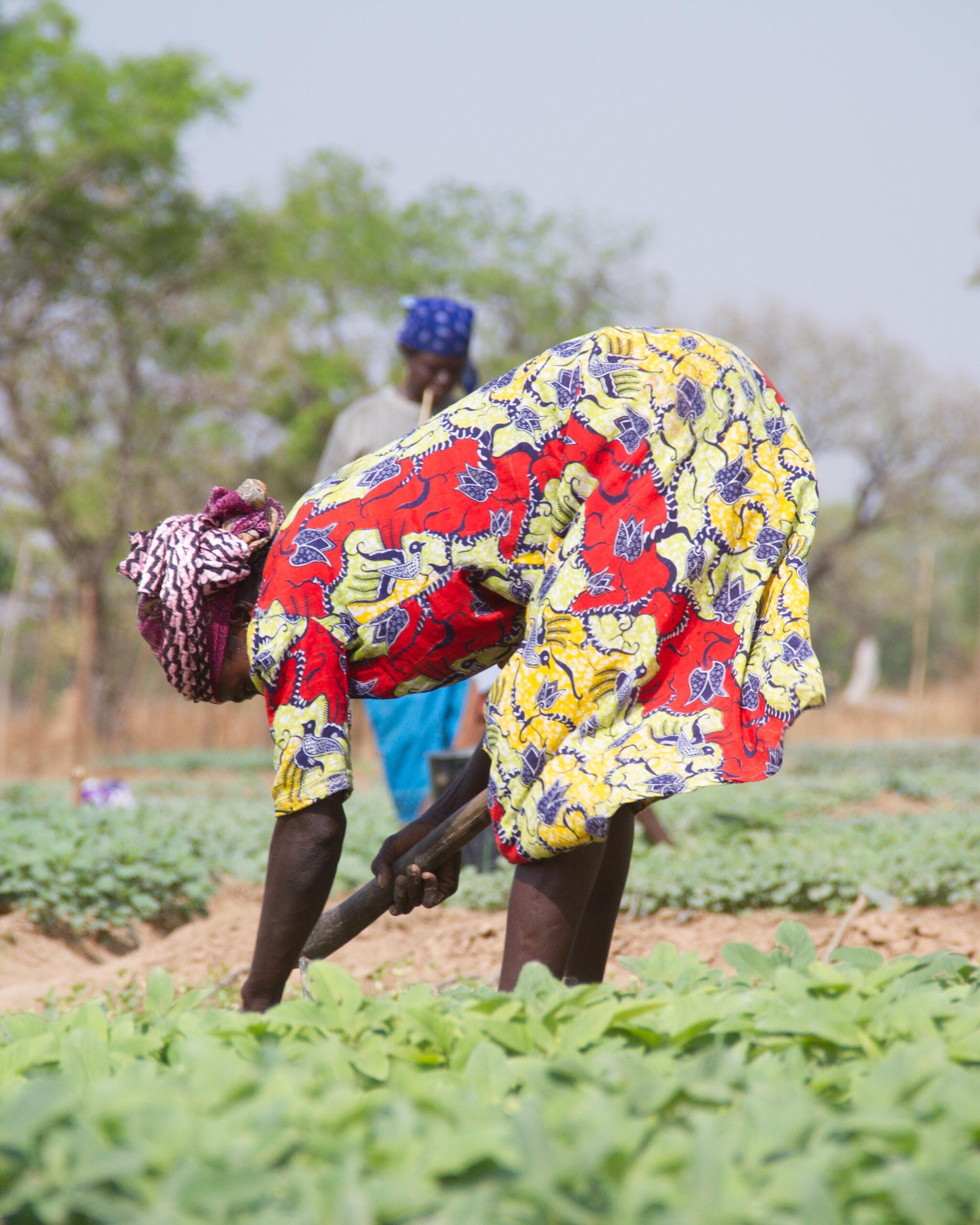
We believe that empowering women is central to breaking cycles of poverty and driving sustainable development. Allied Relief supports women to unlock their potential as community change-makers by providing training, mentorship, and start-up support. Beyond equipping women with business development skills, we help them access resources, build networks, and connect to market opportunities. By creating an enabling environment for women-led enterprises, these initiatives uplift entire households, enhance food security, and contribute to resilient communities.
Youth Skills Development
Young people represent a powerful force for innovation, but many in Northern Ghana face limited opportunities for employment. At Allied Relief, we equip youth with practical vocational skills, entrepreneurship training, and pathways to self-employment. From technical trades to agribusiness ventures, our programs focus on equipping young people with relevant, market-driven skills that enable them to transition from unemployment to meaningful livelihoods. In doing so, we nurture a generation of problem-solvers who contribute to economic growth and social transformation.
Financial Literacy and Digital Skills for Entrepreneurship
In today’s fast-changing economy, the ability to manage finances and leverage digital tools is no longer optional; it is the foundation for business success and resilience. Allied Relief works to strengthen these capacities among women, youth, and smallholder farmers, ensuring that no one is left behind in the digital era. We cover essential areas such as personal and group savings, budgeting, investment, and accessing credit responsibly. At the same time, we provide practical lessons on using digital platforms for mobile banking, online payments, e-commerce, and digital marketing. By combining financial literacy with digital skills, participants are able to run their businesses more efficiently, keep accurate records, and expand their customer base beyond their immediate communities. These competencies not only enhance incomes and financial security but also open the door to innovation and new market opportunities.
Village Savings and Loans (VSLA) Schemes
Access to financial services remains a challenge for many rural households, especially for women and marginalized groups. To bridge this gap, Allied Relief promotes Village Savings and Loans Schemes (VSLAs) as a pathway to financial inclusion. These community-based groups provide members with a safe and reliable way to save money, access small loans, and invest in income-generating activities. Beyond financial support, VSLAs foster trust, solidarity, and collective action, helping communities strengthen their resilience and improve household security.
Development Research
At Allied Relief, we believe that evidence drives impact. Development research is central to how we design, implement, and scale solutions that respond to the real needs of communities. Through participatory studies, action research, and rigorous data collection, we generate insights that inform policy, strengthen programming, and amplify community voices.
Our research efforts go beyond producing reports. We use evidence to shape advocacy, guide innovation, and empower local actors with knowledge. By working hand-in-hand with communities, institutions, and development partners, we ensure that our findings translate into practical, sustainable actions that improve lives and influence systemic change.
At Allied Relief, we are committed to fostering economic empowerment by supporting entrepreneurship, strengthening savings and loan associations, enhancing vocational skills, and creating pathways for resilient, inclusive, and sustainable livelihoods.
Our Development Research Focus
Participatory Action Research
We engage communities as active partners in identifying challenges and designing solutions. By using participatory methods, we ensure that research reflects local realities, amplifies community voices, and drives interventions that are practical and people-centered.
Policy and Systems Research
Our work generates evidence to inform policy formulation and strengthen development systems. By analyzing gaps and opportunities within existing structures, we support policymakers and institutions to adopt approaches that improve equity, efficiency, and accountability.
Monitoring, Evaluation, and Learning (MEL)
We build strong feedback and learning systems to ensure that programs deliver measurable results. Through continuous monitoring, data-driven evaluations, and adaptive learning, we help organizations and communities refine their interventions and maximize impact.
Village Savings and Loans (VSLA) Schemes
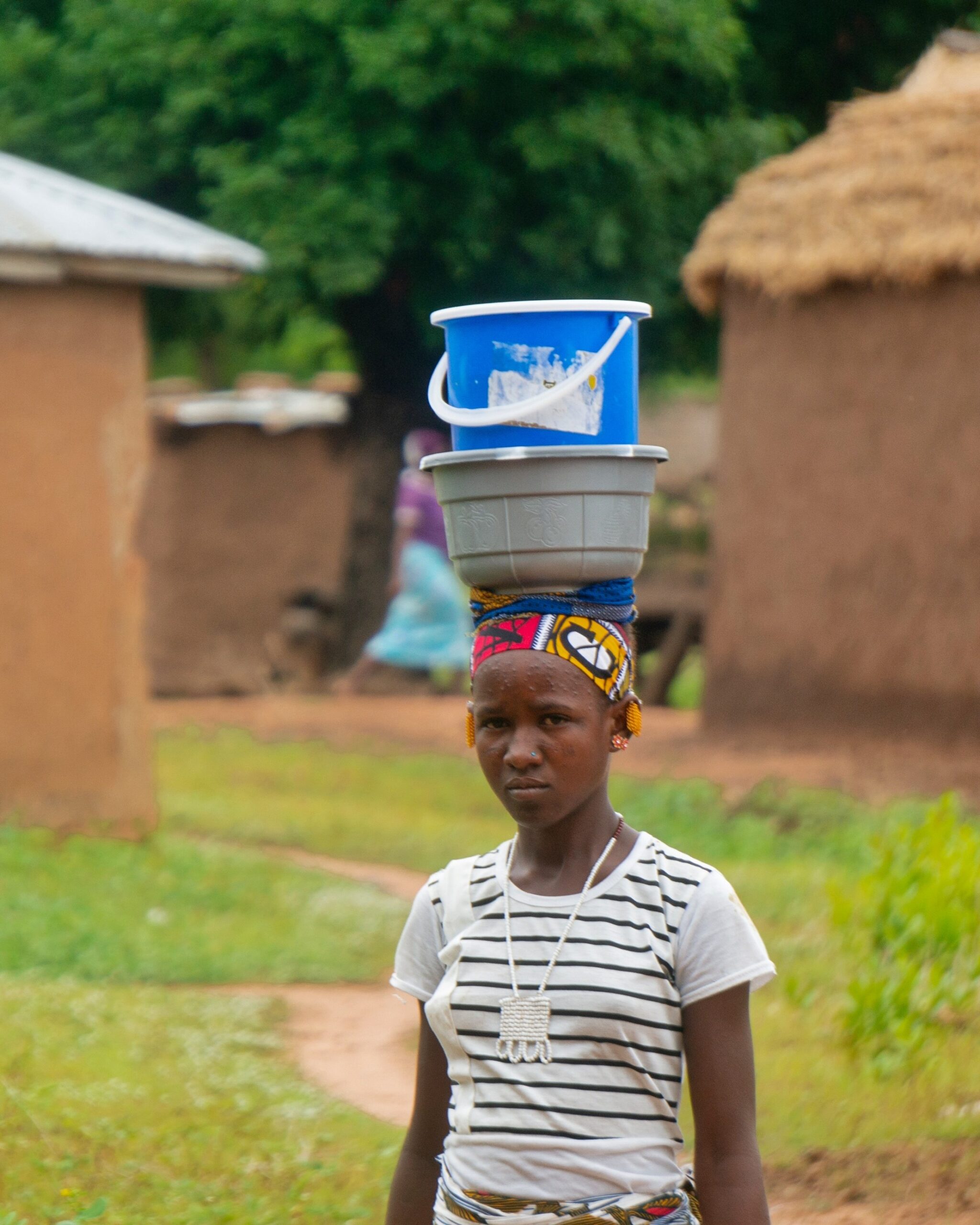
Access to financial services remains a challenge for many rural households, especially for women and marginalized groups. To bridge this gap, Allied Relief promotes Village Savings and Loans Schemes (VSLAs) as a pathway to financial inclusion. These community-based groups provide members with a safe and reliable way to save money, access small loans, and invest in income-generating activities. Beyond financial support, VSLAs foster trust, solidarity, and collective action, helping communities strengthen their resilience and improve household security.